More than 80 Years of Family-Owned HVAC Experience
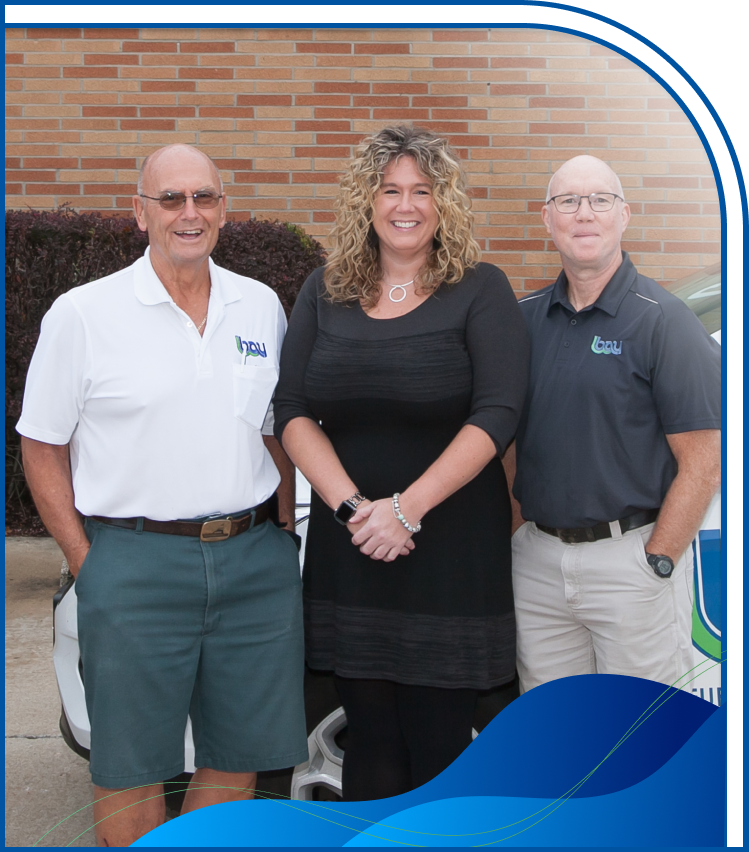
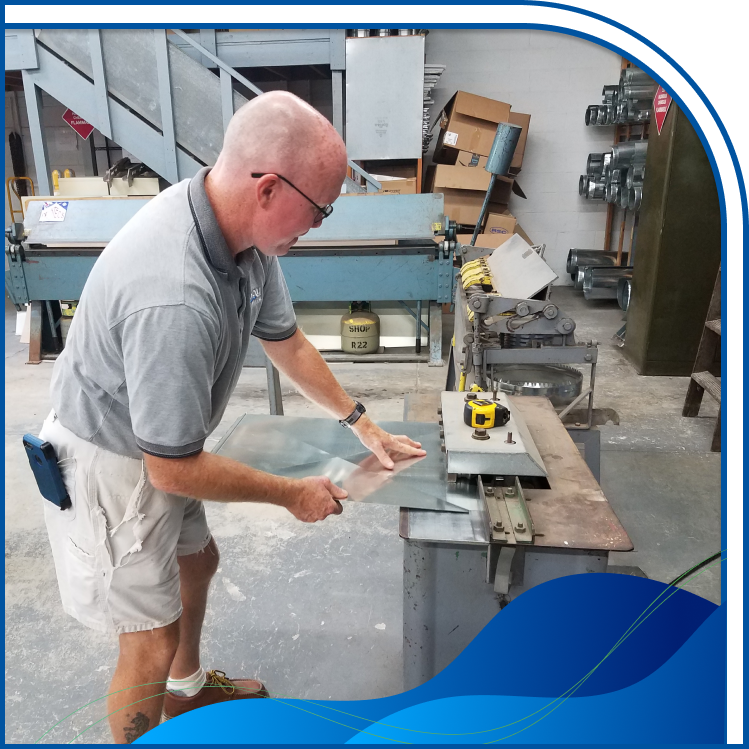
Bay Heating & Air Conditioning is now under third-generation leadership, continuing the family ownership that began in 1944. We bring decades of HVAC knowledge to repairs, replacements, installations, and maintenance. Every technician receives ongoing training, and many hold NATE certification.
Our Carrier Residential Factory Authorized Dealer status reflects ongoing training, customer-care standards, and work performed according to manufacturer requirements. We also back completed repairs with a 30-day warranty and new installations with a 1-year labor warranty. These clear commitments provide accountability after the work is complete.
What Family Ownership Means for Your Service:
- Proven experience: Our team brings knowledge from more than 80 years of providing HVAC services to every project.
- Community focus: We have remained family-owned and community-focused for three generations.
Boiler Requirements for Lakewood Properties
The appropriate boiler recommendation depends on the equipment, building layout, heat-distribution system, and project scope. Existing radiators, baseboard heating, piping, controls, fuel type, venting, and available mechanical space can influence repair and replacement planning. We examine accessible parts of the system before recommending work for your home.
Lakewood’s Housing and Building Department identifies HVAC rough-in and final inspections for applicable additions, renovations, and new construction. Municipal permit information also lists boiler replacement among residential mechanical system replacement categories. The permits and inspections required for a specific project depend on the property and scope of work.
Property and project considerations include:
- Existing distribution: Radiators, baseboards, piping, zoning, and pumps must be considered with the boiler itself.
- Installation conditions: Venting, fuel source, condensate drainage, controls, and mechanical space can affect equipment selection.
- Property use: Requirements may differ among single-family homes, multifamily buildings, and commercial customers.
- Permits and inspections: Applicable requirements should be confirmed for the equipment, property type, and proposed work.
Ohio boiler inspection rules can also vary by boiler type and use, including distinctions among low-pressure, high-pressure, high-temperature, power, and process boilers. Property owners and managers should confirm which requirements apply to their equipment rather than relying on a universal inspection schedule.
What to Expect During Boiler Service
Our customer service team gathers initial information about the reported problem, the property’s needs, and the existing system before scheduling an appointment.
During the evaluation, a trained technician documents the equipment, discusses recent symptoms, and examines accessible components. Depending on the system, this may include controls, burners, heat exchangers, pumps, valves, venting, pressure, and safety devices. We then explain the findings and available options before asking you to authorize work.
What you can expect:
- Initial discussion: We collect information about the boiler and the reason for the request.
- System evaluation: We inspect accessible equipment and identify performance or safety concerns.
- Clear explanations: We discuss whether repair, maintenance, or replacement fits the equipment’s condition.
- Authorized work: We complete the approved service based on the agreed scope and applicable manufacturer requirements.
- Post-service guidance: We explain relevant operating observations and future maintenance considerations.
Repair work carries a 30-day warranty, while new installation labor carries a 1-year warranty.
Boiler Replacement Options & Planning
Repeated repairs may no longer be practical, making full boiler replacement worth considering. We help homeowners and property managers evaluate whether aging equipment, frequent breakdowns, repair history, rising fuel use, parts availability, or safety concerns support replacement. Our team also looks at existing piping, venting, controls, and electrical conditions before recommending equipment.
When we discuss replacement options, we review fuel type, efficiency ratings, and system capacity so you can compare choices in a clear, straightforward way. High-efficiency boilers may require compatible venting, condensate drainage, controls, and other installation conditions. We explain how those factors affect the proposed system and installation.
We provide information about the work under consideration so you can decide whether to continue repairing the existing equipment or authorize a new installation. As a Carrier Residential Factory Authorized Dealer, we can also discuss appropriate Carrier equipment when it fits the project.
Boiler Safety, Permits & Inspection Considerations
Boiler safety considerations can include combustion, venting, pressure, water levels, pressure relief valves, electrical isolation, and carbon monoxide risk. The components requiring evaluation depend on the boiler type and fuel source. Service involving sealed components, combustion, fuel, electrical systems, or pressure should be left to qualified HVAC personnel.
Our technicians receive ongoing training and follow applicable manufacturer requirements during installation and service. Local permit and inspection requirements depend on project scope, property type, and equipment classification. City provisions can also differ for less common equipment, including wood-fired boilers, so the applicable requirements should be confirmed for the proposed installation.
Important safety practices include:
- Respond to alarms: Leave the area after a carbon monoxide alarm or suspected combustion problem and contact the appropriate emergency service.
- Keep controls intact: Don’t bypass shutoffs, relief devices, low-water controls, or other safety components.
- Watch for leaks: Request service for water around the boiler, pumps, valves, piping, or connected equipment.
- Use qualified service: Don’t attempt fuel, electrical, pressure, combustion, or sealed-system repairs yourself.
Boiler Efficiency & Comfort Improvements
Boiler efficiency depends on more than the efficiency rating printed on the equipment. System condition, controls, water temperature, heat loss, insulation, piping, zoning, thermostat operation, and maintenance can all affect fuel use and indoor comfort. We evaluate these factors when they are relevant to a repair, maintenance, or replacement request.
High-efficiency equipment may be one option when replacement is appropriate, but it must be compatible with the property’s venting, drainage, controls, and installation conditions. Energy use and comfort outcomes vary based on equipment, building construction, operating settings, fuel prices, and maintenance condition.
Potential improvements may include:
- Thermostat and control updates: Compatible controls can provide more direct management of temperatures and heating schedules.
- High-efficiency boiler installation: New equipment can be evaluated against the property’s heating requirements and existing system.
- Piping and insulation improvements: Accessible heat loss or distribution concerns may be considered during system evaluation.
- Zoning review: Existing zones, circulator pumps, and controls can be examined when rooms heat unevenly.
We explain relevant options without promising a specific reduction in utility costs. The practical choice depends on the current boiler, the connected distribution system, the building, and your goals.
Frequently Asked Questions
How Often Should I Get My Boiler Serviced?
Annual maintenance is a common planning interval for many heating systems, but the appropriate schedule depends on the boiler type, manufacturer guidance, condition, and usage. During a maintenance visit, our technicians can perform applicable cleaning, operational checks, and adjustments while looking for developing problems. To schedule maintenance based on your system’s needs, contact Bay Heating & Air Conditioning.
Schedule Service & Restore Reliable Heat
Bay Heating & Air Conditioning provides boiler repair, regular maintenance, installation, and replacement services backed by the Bay Comfort Promise. Our 30-day repair warranty and 1-year labor warranty on new installations add clear accountability to completed work.
Our customer service team can answer questions and schedule an appointment based on the information you provide. Whether you are dealing with no heat, recurring operating problems, or a planned replacement, we can evaluate the system and explain the next steps.
Contact us today at (440) 294-4954 to schedule your Lakewood boiler service appointment.