

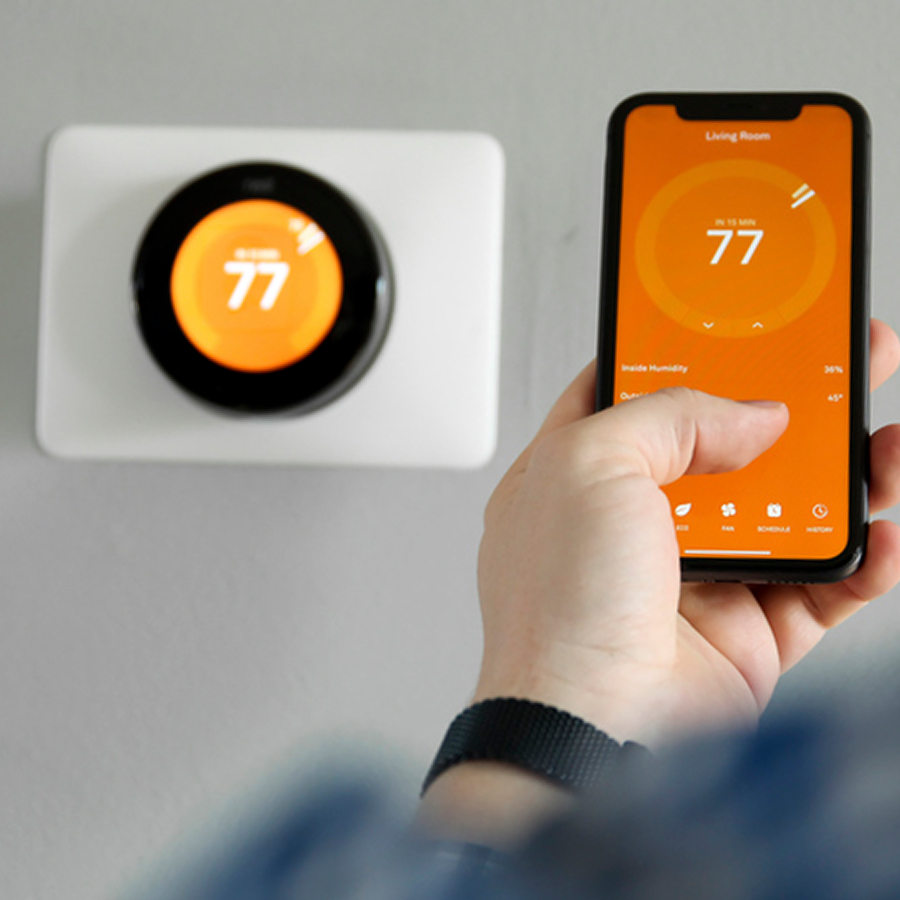
When homeowners think about heating and cooling performance, they often focus on furnaces, air conditioners, heat pumps, ductwork, or insulation. While all of those components are important, one of the most overlooked parts of the entire HVAC system is the thermostat. This small wall-mounted device acts as the command center for indoor comfort, telling your heating and cooling equipment when to turn on, when to shut off, and how long to run. If the thermostat is placed in the wrong location, even a high-quality HVAC system can struggle to maintain comfort and efficiency.
At Bay Heating & Air Conditioning, we regularly help homeowners throughout Westlake solve heating and cooling problems that are not caused by failing equipment at all. In many cases, the issue is thermostat placement. A thermostat installed in an area affected by sunlight, drafts, kitchen heat, or poor airflow can misread the true indoor temperature. That can lead to short cycling, uneven comfort, wasted energy, and constant frustration.
Understanding where a thermostat should be located—and where it should not be—can help you get better performance from your existing HVAC system and make smarter decisions when remodeling or replacing equipment. In this guide, we explain why thermostat placement matters, common mistakes we see in Westlake homes, and how Bay Heating & Air Conditioning helps homeowners improve comfort through smarter control strategies.
Why Thermostat Placement Matters
Your thermostat measures the temperature around it and uses that reading to control the HVAC system. If the temperature in that immediate area does not accurately reflect the rest of the home, the entire system can respond incorrectly.
For example, if a thermostat is located in a warm sunny hallway, it may think the entire house is warmer than it really is. The air conditioner may run longer than necessary, leaving bedrooms or lower levels too cold. If the thermostat sits near a drafty entryway in winter, the furnace may run too often because the thermostat senses cooler air than the rest of the house.
This creates a chain reaction that affects:
- Indoor comfort
- Energy efficiency
- Equipment runtime
- Wear and tear on HVAC components
- Temperature balance between rooms
- Humidity control during summer months
A thermostat should represent the average living conditions of the home, not the extreme conditions of one isolated area. That is why placement is more important than many homeowners realize.
The Best Location for a Thermostat
In most homes, the ideal thermostat location is on an interior wall in a frequently used central living area. This gives the thermostat the best chance to sense a stable, representative temperature.
A good placement area is usually somewhere like a main hallway, family room, or living room where airflow is normal and temperatures are not dramatically influenced by outside conditions.
A strong thermostat location generally includes:
- Interior wall rather than exterior wall
- Mid-level height, typically around five feet from the floor
- Central area of the home
- Space with regular occupancy
- Away from direct sunlight
- Away from vents or returns
- Away from kitchens and appliances
At Bay Heating & Air Conditioning, we evaluate these factors when homeowners in Westlake report comfort inconsistencies. Sometimes a simple thermostat relocation can make a dramatic difference.
Common Thermostat Placement Mistakes in Westlake Homes
Many homes have thermostats installed in locations that were convenient during construction but not ideal for long-term comfort. We see recurring placement issues throughout Westlake homes, especially in older properties or homes that have been remodeled.
One common mistake is placing the thermostat near the front door. Every time the door opens in winter or summer, outside air can influence the reading. Another issue is thermostats located near kitchens, where cooking heat can raise temperatures temporarily and trigger unnecessary cooling.
Other common mistakes include:
- Thermostat near sunny windows
- Thermostat above supply vents
- Thermostat in rarely used rooms
- Thermostat in narrow hallways with poor airflow
- Thermostat near lamps, electronics, or televisions
- Thermostat on exterior walls affected by outdoor temperatures
These locations often cause homeowners to believe the HVAC system itself is failing when the real problem is inaccurate sensing.
How Sunlight Affects Thermostat Readings
Direct sunlight is one of the most common causes of thermostat inaccuracy. Even if the room feels comfortable overall, sunlight hitting the thermostat or warming the wall behind it can raise the sensed temperature several degrees.
In summer, this can cause the air conditioner to run longer than necessary. Rooms away from the sunny side of the home may become too cold while the thermostat still thinks the house is warm. In winter, solar heat can cause the furnace to shut off early, leaving shaded rooms cooler than desired.
Westlake homes with large front windows, open foyers, or south-facing layouts are especially vulnerable to this issue.
Signs sunlight may be affecting your thermostat include:
- Temperature swings during sunny afternoons
- Overcooling in shaded rooms
- Different comfort levels morning versus afternoon
- HVAC runtime that seems inconsistent
Bay Heating & Air Conditioning often recommends relocating the thermostat or using smart controls with remote sensors when sunlight creates persistent comfort issues.
Why Kitchens Are Poor Thermostat Locations
Kitchens generate heat from ovens, stovetops, dishwashers, refrigerators, and even groups of people gathering during meals. If a thermostat is too close to the kitchen, these heat spikes can distort system operation.
During summer, the air conditioner may turn on because of cooking heat rather than whole-home demand. During winter, the furnace may shut off because the thermostat senses warmth from appliances while bedrooms remain cooler.
This problem is especially common in open-concept homes where the thermostat is placed on a wall adjacent to the kitchen.
If your thermostat is near the kitchen, you may notice:
- AC turns on while cooking
- Dining and kitchen areas feel cool while other rooms stay warm
- Furnace shuts off too early during meal preparation
- Comfort changes around holidays or gatherings
A thermostat should respond to household comfort, not temporary appliance heat.
Exterior Walls and Draft Exposure
Thermostats mounted on exterior walls can be influenced by the temperature of the wall cavity itself. In winter, colder wall surfaces may make the thermostat think the home is cooler than it is. In summer, sun-heated walls can create the opposite problem.
Drafts from doors, windows, or stairwells can also interfere with accurate readings. This is particularly common in older Westlake homes where air sealing may not be ideal.
When drafts affect a thermostat, the HVAC system may cycle more often than necessary, increasing energy use and reducing component lifespan. In these situations, thermostat relocation and insulation improvements can work together to improve performance.
Multi-Level Homes and Temperature Balance
Many Westlake homes have two stories, finished basements, split levels, or additions. In these layouts, one thermostat may struggle to represent all areas equally.
Warm air rises, which means upper floors often run warmer in summer and cooler in winter depending on airflow and insulation. Basements may stay cooler year-round. If the thermostat is located on the first floor, upstairs comfort may suffer.
This can lead to common complaints such as:
- Bedrooms too warm in summer
- Basement too cold in winter
- Main floor comfortable while other levels are not
- Constant thermostat adjustments throughout the day
At Bay Heating & Air Conditioning, we help homeowners solve these challenges through airflow improvements, zoning systems, smart thermostats, and sensor-based controls.
Smart Thermostats and Remote Sensors
Modern thermostat technology can solve many placement problems without always requiring wall relocation. Smart thermostats with remote sensors allow temperature readings from multiple rooms instead of relying on one fixed location.
This can be especially useful for:
- Two-story homes
- Homes with additions
- Large open layouts
- Rooms with heavy sun exposure
- Families who prioritize bedroom comfort at night
A smart system may average readings or prioritize certain rooms based on schedule. For example, it can focus on upstairs bedrooms overnight and main living areas during the day.
Bay Heating & Air Conditioning helps Westlake homeowners choose thermostat upgrades that fit how they actually live in the home.
Signs Your Thermostat Placement May Be Wrong
Many comfort issues blamed on equipment failure are actually thermostat-related. If your HVAC system has been serviced but comfort problems continue, placement should be considered.
Watch for signs such as:
- One area of the house is always uncomfortable
- System turns on and off too frequently
- Thermostat reading seems inaccurate
- Utility bills are higher than expected
- Home feels humid despite cooling
- Constant need to manually adjust settings
A professional evaluation can determine whether placement, calibration, airflow, or equipment issues are causing the problem.
Thermostat Placement During Renovations
Home remodeling projects are one of the best times to revisit thermostat placement. Kitchen expansions, wall removals, additions, and finished basements can completely change how air moves through the home.
A thermostat that worked well ten years ago may now be in a poor location because the layout has changed. For example, opening a wall to the kitchen may expose the thermostat to appliance heat. Adding large windows may introduce solar gain where none existed before.
If you are renovating a Westlake home, it is smart to ask whether thermostat relocation should be part of the project. This small adjustment can protect the performance of your HVAC system long after the remodel is complete.
The Impact on Energy Efficiency
Incorrect thermostat placement does more than reduce comfort—it can waste money every month. If the thermostat regularly misreads temperatures, the HVAC system may run longer or more often than necessary.
This can increase:
- Electricity use for air conditioning
- Fuel use for heating
- Equipment wear
- Maintenance frequency
- Replacement risk over time
Proper thermostat placement helps the system cycle more naturally and efficiently. Combined with maintenance and insulation upgrades, it can contribute to meaningful long-term savings.
Professional Relocation vs DIY Changes
Some homeowners consider moving a thermostat themselves, but thermostat wiring and system compatibility can be more complex than expected. Improper relocation can create wiring issues, communication errors, or inaccurate operation.
Professional relocation ensures:
- Correct wiring connections
- Proper wall selection
- Safe mounting height
- Accurate calibration
- Compatibility with smart controls
- Clean installation appearance
At Bay Heating & Air Conditioning, we evaluate both the thermostat location and the broader system performance so the change delivers real results.
How Bay Heating & Air Conditioning Helps Westlake Homeowners
When homeowners call us about uneven temperatures, short cycling, or rising utility bills, we do not automatically assume the furnace or AC is the problem. We take a whole-system approach that includes thermostat placement, airflow, insulation conditions, and equipment performance.
Our process may include:
- Reviewing thermostat location and settings
- Checking temperature differences throughout the home
- Inspecting ductwork and airflow
- Evaluating system sizing and runtime
- Recommending relocation or upgrades when beneficial
This practical approach helps homeowners avoid unnecessary equipment replacements when a control issue may be the true cause.
Why Small Details Matter in HVAC Performance
Thermostats are small devices, but they control some of the most expensive equipment in your home. Even a premium furnace or air conditioner cannot perform properly if it is receiving poor information.
That is why details matter. The right location, accurate calibration, and thoughtful control strategy can improve comfort every day without requiring major equipment changes.
For many Westlake homes, thermostat improvements are one of the most overlooked opportunities to enhance HVAC performance.
Trust Bay Heating & Air Conditioning for Comfort Solutions in Westlake
Understanding thermostat placement in Westlake homes is an important part of achieving reliable comfort and energy efficiency. If your thermostat is in the wrong location, your HVAC system may be working harder than necessary while still failing to keep every room comfortable.
At Bay Heating & Air Conditioning, we help homeowners identify the real causes of heating and cooling frustrations. Whether you need thermostat relocation, a smart thermostat upgrade, airflow balancing, or complete HVAC service, our team provides solutions built around your home’s actual needs.
If certain rooms never feel right or your system seems to run more than it should, contact Bay Heating & Air Conditioning today. We are proud to help Westlake homeowners enjoy smarter comfort, better efficiency, and dependable indoor climate control year-round.

.2501280258279.jpg)