
Choosing the right comfort system for your home is one of the most important decisions you can make as a homeowner in Cuyahoga County. Our region experiences cold winters, warm summers, humidity swings, and the kind of seasonal changes that put heating and cooling equipment to the test. Whether you are replacing an aging furnace and air conditioner or building a plan for long-term efficiency, it is natural to compare modern heat pumps with traditional HVAC systems.
At Bay Heating & Air Conditioning, we help homeowners throughout Cuyahoga County sort through these options every day. Some households are looking for lower utility costs. Others want better comfort, quieter operation, cleaner indoor air, or fewer repairs. The right answer depends on your home, budget, insulation levels, energy goals, and how you use the space.
Heat pumps have become increasingly popular in Northeast Ohio thanks to major advances in cold-weather performance. At the same time, traditional HVAC systems that combine a furnace with central air conditioning remain a trusted and effective solution for many homes. Understanding the differences can help you make a confident decision.
This guide explains how each system works, where each one excels, and what Cuyahoga County homeowners should consider before investing.
Understanding Traditional HVAC Systems
When most people think of residential heating and cooling, they picture a furnace for winter and an air conditioner for summer. This is the traditional HVAC setup used in many homes across Cuyahoga County.
A furnace generates heat using natural gas, propane, or electricity and distributes warm air through ductwork. A separate central air conditioner cools the home during warmer months using an outdoor condenser and indoor evaporator coil.
This two-part system has remained common for decades because it is dependable and familiar. Many existing homes are already configured for it, which can simplify replacement when older equipment wears out.
Traditional HVAC systems are often a strong fit when:
- The home already has gas service
- Existing ductwork is in good condition
- Homeowners prefer powerful furnace heat during winter
- Replacement budgets favor like-for-like equipment swaps
- The current system layout functions well
At Bay Heating & Air Conditioning, we often recommend traditional systems when they align with the home’s infrastructure and the homeowner’s priorities.
Understanding Heat Pumps
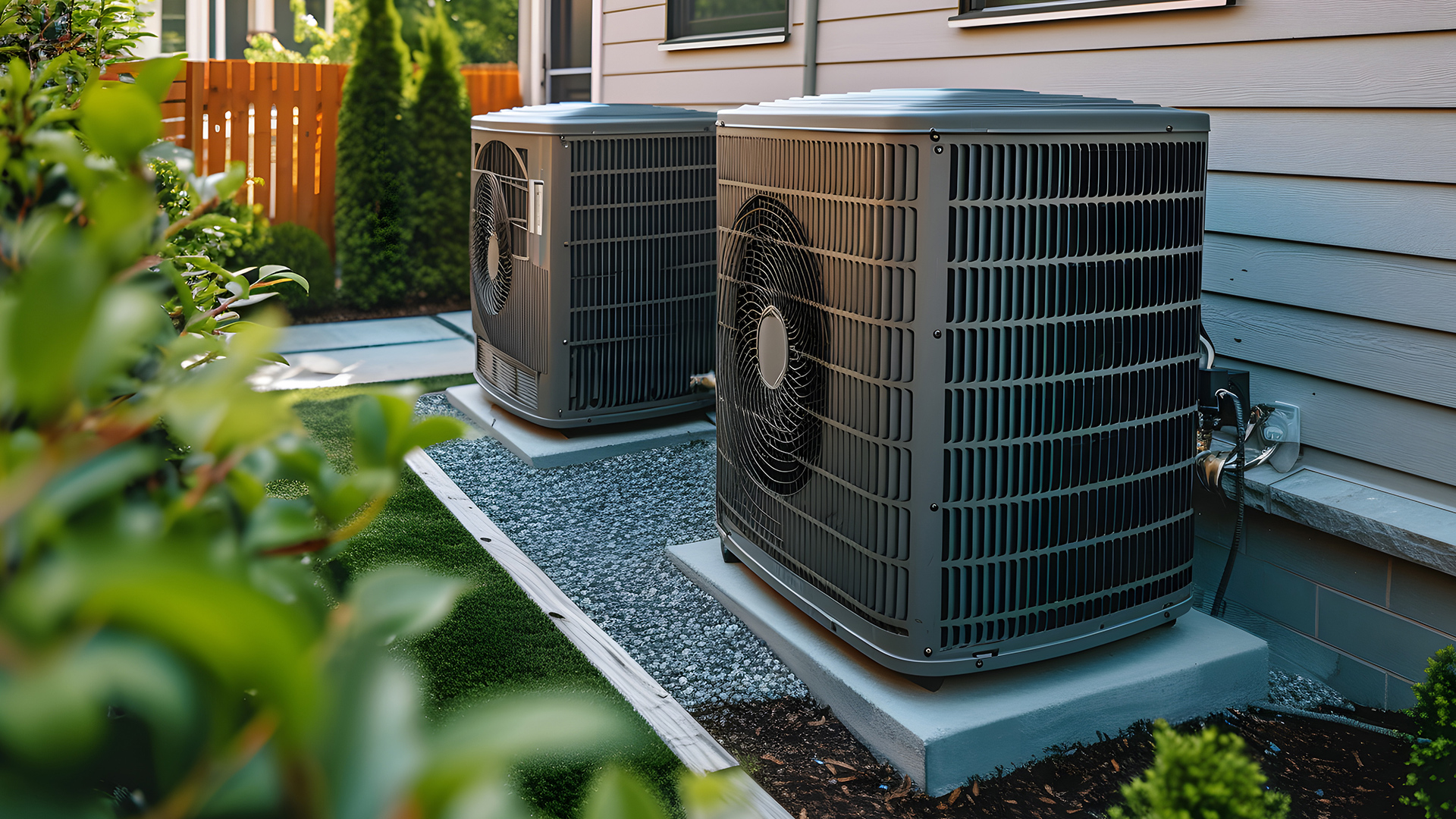
A heat pump provides both heating and cooling using electricity. Instead of generating heat like a furnace, it transfers heat from one place to another. In summer, it moves heat out of the home like an air conditioner. In winter, it extracts available heat from outdoor air and moves it indoors.
Many homeowners are surprised to learn that modern heat pumps can perform effectively even during cold Ohio weather. Advanced compressors, inverter technology, and improved defrost cycles have made today’s systems much more capable than older generations.
Heat pumps may be installed as ducted central systems or ductless mini-split systems depending on the home.
Benefits often include:
- One system for heating and cooling
- High energy efficiency
- Quiet operation
- Consistent indoor temperatures
- Potential reduction in fossil fuel use
- Zoned comfort options with some configurations
For many Cuyahoga County homes, heat pumps are now a realistic and highly attractive alternative.
How Cuyahoga County Climate Impacts the Decision
Our local climate matters. Cuyahoga County experiences humid summers and winters that regularly dip below freezing. Any heating and cooling system must be able to handle both ends of that spectrum.
Traditional gas furnaces excel at delivering strong heat during very cold conditions. That is one reason they have long been popular in Northeast Ohio. However, newer cold-climate heat pumps are specifically engineered to continue heating efficiently at low outdoor temperatures.
The key is selecting the right equipment rather than assuming all heat pumps perform the same. Entry-level systems may struggle in harsher winter weather, while premium cold-weather models can maintain excellent comfort.
When evaluating your options, we consider:
- Winter temperature patterns
- Home insulation levels
- Air leakage
- Existing duct performance
- Utility rates
- Comfort expectations
- Backup heat preferences
At Bay Heating & Air Conditioning, we tailor recommendations to real local conditions instead of one-size-fits-all assumptions.
Energy Efficiency Comparison
One of the biggest reasons homeowners explore heat pumps is efficiency. Because heat pumps move heat instead of creating it through combustion, they can be extremely efficient under many conditions.
Traditional furnaces are rated by AFUE, which reflects how much fuel becomes usable heat. High-efficiency furnaces can perform very well, but they still consume fuel to generate warmth.
Heat pumps are rated differently and often deliver multiple units of heat energy for each unit of electricity used during milder and moderate cold weather. This can lead to lower operating costs depending on utility pricing.
Traditional HVAC may still be cost-effective when natural gas rates are favorable. Heat pumps may offer stronger savings when electric rates and system efficiency align well.
The best choice depends on:
- Gas versus electric utility costs
- Home heat demand
- Equipment efficiency ratings
- Thermostat habits
- Weather severity
- Maintenance condition
We help Cuyahoga County homeowners compare projected operating costs instead of relying on guesses.
Comfort Differences Homeowners Notice
Efficiency matters, but daily comfort matters too. Heat pumps and traditional systems often feel different in operation.
Gas furnaces typically produce hotter supply air. Many homeowners enjoy the sensation of warm air blowing from vents during winter. Furnaces also raise indoor temperature quickly.
Heat pumps usually deliver gentler, steadier heat over longer cycles. Rather than short blasts of very warm air, they often maintain more even room temperatures.
Common comfort observations include:
- Furnaces may feel warmer at the vent
- Heat pumps often reduce temperature swings
- Inverter heat pumps can run quietly for long periods
- Longer run times can improve air circulation
- Proper humidity management remains important with either system
Some families strongly prefer one style of comfort over the other. That is why Bay Heating & Air Conditioning asks about your experience and preferences before recommending equipment.
Installation Considerations
The installation path can significantly affect total project cost and complexity.
If your current home already uses a furnace and central AC with functional ductwork, replacing those components with another traditional system may be straightforward.
If you are switching to a ducted heat pump, existing ductwork may still be used if sized and sealed properly. In some homes, duct modifications improve performance.
Ductless heat pumps can be ideal when:
- The home lacks ductwork
- You have an addition or finished basement
- Certain rooms stay uncomfortable
- You want zoned control
- Historic construction limits remodeling options
Installation quality matters as much as equipment choice. Poor airflow design, refrigerant charging errors, or incorrect sizing can reduce performance in either system. At Bay Heating & Air Conditioning, we focus on proper design and commissioning from day one.
Winter Performance and Backup Heat
One of the most common questions we hear in Cuyahoga County is whether a heat pump can really handle winter. The answer depends on the model and system design.
Modern cold-climate heat pumps can heat effectively in low temperatures, but some homeowners prefer or require supplemental backup heat during the coldest periods. This may come from electric resistance heat strips or a dual-fuel setup that pairs a heat pump with a gas furnace.
Dual-fuel systems can be especially attractive because they allow the heat pump to run efficiently during moderate weather and switch to furnace heat during extreme cold.
Potential winter strategies include:
- Heat pump only
- Heat pump with electric backup
- Heat pump with gas furnace backup
- Traditional furnace only with separate AC
We help determine which setup best balances comfort, cost, and peace of mind.
Maintenance Needs
Both heat pumps and traditional HVAC systems need regular maintenance. Skipping service shortens lifespan and increases repair risk regardless of system type.
Traditional systems require attention to both heating and cooling components. Furnaces need burner, ignition, venting, and safety checks. Air conditioners need coil cleaning, refrigerant evaluation, and airflow testing.
Heat pumps also need refrigerant system checks, coil cleaning, electrical inspection, defrost function review, and airflow optimization. Because they provide year-round heating and cooling, they often operate more months of the year.
Recommended maintenance tasks include:
- Seasonal tune-ups
- Filter replacement
- Thermostat checks
- Outdoor unit cleaning
- Drain line inspection
- Electrical connection testing
- Airflow verification
At Bay Heating & Air Conditioning, preventive maintenance helps both system types deliver better efficiency and reliability.
Repair Considerations and Longevity
Every system eventually needs repairs. The best way to reduce surprises is proper sizing, quality installation, and routine service.
Traditional HVAC systems use separate heating and cooling equipment, so failures may affect one mode while the other still works. For example, an AC issue may not impact winter heating.
Heat pumps combine both functions into one primary system. While highly reliable when installed properly, a problem can affect heating and cooling capability until repaired.
Longevity depends on usage, maintenance, environment, and equipment quality. Since heat pumps often run year-round, service intervals are especially important.
Signs it may be time to evaluate replacement include:
- Frequent repairs
- Rising utility bills
- Uneven comfort
- Excess noise
- Aging equipment
- Expensive major component failure
We help homeowners compare repair costs against long-term replacement value.
Environmental and Energy Goals
Some homeowners prioritize reducing fossil fuel use or lowering their household carbon footprint. Heat pumps often appeal strongly in this area because they run on electricity and can pair with renewable energy sources.
Traditional gas furnaces rely on combustion fuel. High-efficiency models can still be responsible and cost-effective choices, especially when replacing much older inefficient equipment.
If sustainability is important to you, factors to review include:
- Source of local electricity generation
- Home insulation quality
- Air sealing improvements
- Equipment efficiency
- Solar compatibility
- Long-term energy plans
Bay Heating & Air Conditioning can help you align system choices with both comfort goals and environmental priorities.
Budget and Incentive Opportunities
Upfront cost matters in any major home project. Depending on equipment type and installation needs, either option may cost more initially.
Traditional replacement may be less expensive in homes already set up for furnace and AC swaps. Heat pumps may involve higher upfront investment, especially premium cold-climate models or major electrical upgrades. However, incentives and lower operating costs can improve long-term value.
Homeowners should consider:
- Equipment cost
- Installation labor
- Duct modifications
- Electrical upgrades
- Available rebates or tax incentives
- Monthly utility savings
- Expected equipment lifespan
We guide Cuyahoga County homeowners through realistic cost comparisons so there are no surprises.
Which Homes Often Benefit Most From Heat Pumps
While every home is different, heat pumps are often especially appealing when:
- The existing AC needs replacement
- The current furnace is aging
- Utility efficiency is a priority
- The home has comfort imbalance issues
- Additions need separate conditioning
- Homeowners want all-electric options
- Quiet operation is important
In many cases, a heat pump is not just a replacement—it is a comfort upgrade.
Which Homes Often Benefit Most From Traditional HVAC
Traditional furnace and AC systems still make excellent sense for many homes, particularly when:
- Natural gas is affordable
- Homeowners prefer hot furnace air
- Existing ductwork and venting are ideal
- Winter heating demand is high
- Budget favors direct replacement
- The current layout has performed well for years
There is nothing outdated about a properly selected, high-efficiency traditional system.
How Bay Heating & Air Conditioning Helps You Choose
The right answer is rarely found in a generic online article or a sales pitch built around one product. It comes from evaluating your specific home.
Our process includes reviewing:
- Square footage and layout
- Insulation and leakage
- Existing equipment condition
- Utility usage patterns
- Budget goals
- Comfort complaints
- Long-term ownership plans
From there, we explain practical options clearly so you can make the best decision with confidence.
Trust Bay Heating & Air Conditioning for HVAC Solutions in Cuyahoga County
When comparing heat pumps vs. traditional HVAC in Cuyahoga County, there is no universal winner. Both systems can provide excellent comfort when chosen and installed correctly. Heat pumps offer impressive efficiency and modern versatility. Traditional furnace and AC systems remain powerful, proven, and highly effective in Northeast Ohio homes.
At Bay Heating & Air Conditioning, we help homeowners cut through the confusion and choose systems based on real needs, not trends. Whether you are interested in a cold-climate heat pump, a high-efficiency furnace and AC upgrade, or a dual-fuel hybrid solution, our team is ready to help.
If you are planning an HVAC replacement or want honest advice about your options, contact Bay Heating & Air Conditioning today. We are proud to serve homeowners throughout Cuyahoga County with dependable service, expert guidance, and comfort solutions built to last.